¿Tenemos su información de contacto actualizada? Ayúdenos a contactarlo en caso de emergencia actualizando su información en Mi Centro de Energía.
Preparación para caso de emergencia
Las emergencias pueden ocurrir en cualquier momento y usted es la primera y mejor defensa para protegerse a sí mismo y a sus seres queridos. No hay mejor momento para prepararse para una emergencia que ahora mismo. Cada familia es diferente, pero hemos reunido consejos y recursos para ayudarle a planificar y mantenerse a salvo, sin importar la emergencia.

Desarrollar un plan de evacuación
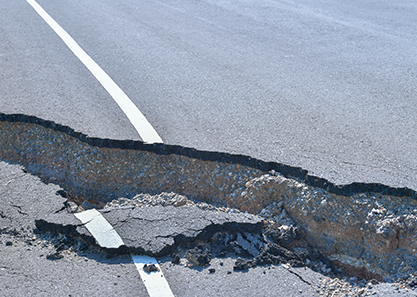
Las emergencias pueden presentarse de muchas formas, como incendios forestales, tormentas, terremotos o emergencias en la escuela o el trabajo. Estar preparado para las emergencias significa tener un plan escrito y los suministros necesarios.
Tu plan debe adaptarse a tu situación particular, por ejemplo, preparándote para atender a familiares mayores o con discapacidad, así como a tus mascotas. Revísalo y actualízalo con la frecuencia necesaria.
Ten en cuenta estos aspectos al elaborar un plan:
- Cree un plan de emergencia para su familia, identificando dos lugares donde la familia pueda reunirse.
- Un lugar fuera de tu casa
- Un lugar alejado de tu barrio en caso de que no puedas volver a casa
- Practica el plan con tu familia, incluidos tus hijos.
- Revise los planes de emergencia en su lugar de trabajo, la escuela o guardería de sus hijos y otros lugares donde los miembros de su familia pasan regularmente tiempo fuera de casa.
- Planifique rutas seguras para alejarse de su hogar y su trabajo y dirigirse a terrenos altos y seguros. Asegúrese de que sus hijos conozcan las rutas para alejarse de su hogar.
- Desarrolle un plan para las mascotas de la familia y el ganado; es posible que los refugios de evacuación no permitan animales.
- Designe a un amigo fuera del área a quien los miembros de la familia puedan llamar si se separan.
- Guarde los documentos importantes actualizados en una caja de seguridad.
¡No lo olvides! Debes practicar tu plan de evacuación con regularidad para asegurarte de que todos sepan qué hacer.

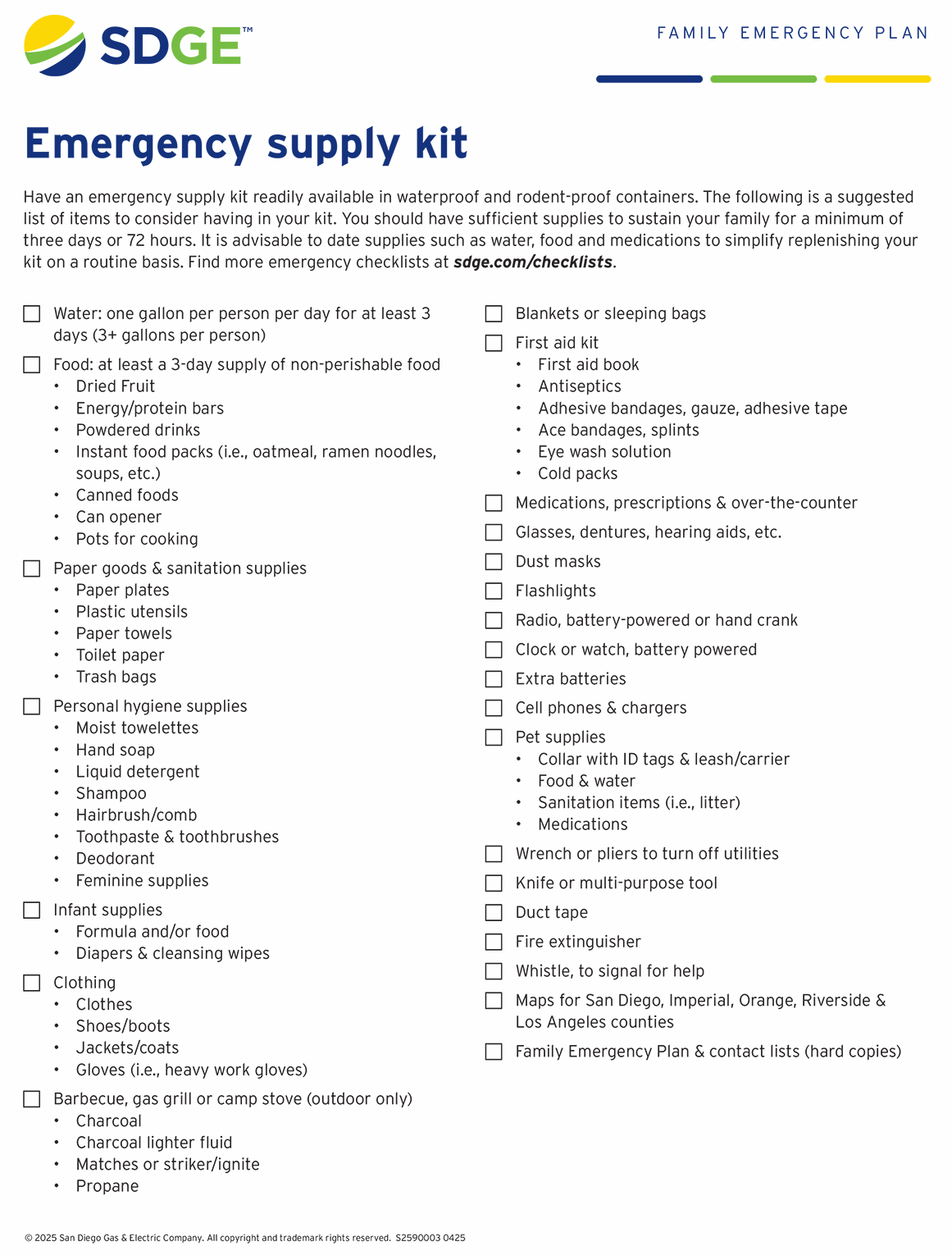
Prepara un kit con suministros de emergencia para al menos tres días.
Aquí tienes algunos de los elementos básicos que deberías tener a mano durante una emergencia.
- Suministro de agua embotellada para tres días (un galón por persona por día)
- Botiquín de primeros auxilios y medicamentos esenciales
- Suministro de tres días de productos envasados, secos y enlatados.
- Comida para mascotas y transportín para mascotas
- Abrelatas manual
- Radio portátil y linternas con baterías de repuesto en bolsas impermeables.
- Un juego extra de llaves del coche, dinero en efectivo y tarjetas de crédito.
- Artículos especiales para bebés, ancianos o familiares discapacitados.
- Método de carga de respaldo para teléfonos
- Un tanque de combustible lleno en su vehículo
- Una bolsa de viaje con ropa y artículos de aseo personal
Planificación anticipada para personas mayores y personas con discapacidad
Si usted o un ser querido en su hogar tiene necesidades específicas de movilidad, audición, aprendizaje, visión o movilidad, y/o requiere ciertos dispositivos médicos debido a una condición médica, considere cualquier artículo relevante que necesite agregar a su kit, como por ejemplo:
- Medicamentos
- Recetas
- Documentos importantes, información de contacto del médico
- Pilas de repuesto para audífonos y otros equipos médicos.
- Oxígeno de reserva
- Dispositivos de ayuda
Para evacuar, familiarícese con su casa o complejo de edificios. Practique el uso de cada una de las posibles rutas de evacuación y verifique si hay obstáculos u otros impedimentos, como escombros, inundaciones, cortes de electricidad o humo. Llame al 911 para solicitar asistencia de evacuación de emergencia.

Mascotas y animales de servicio
En caso de emergencia, cualquier animal a su cargo depende de usted para su seguridad. Es importante llevar consigo a sus mascotas y animales de servicio. Si no puede llegar a casa para cuidar de sus mascotas, tenga un cuidador de respaldo de confianza y entréguele una llave. Asegúrese de que los gatos y perros lleven collares y placas de identificación actualizadas. Ponga su número de teléfono celular en la placa de su mascota, así como el teléfono móvil.
Número de teléfono de un amigo o familiar por si no pueden contactarte por teléfono.
Incluye suministros para tu mascota en tu kit de emergencia. Dependiendo de tu mascota, algunos artículos útiles podrían ser:
- Correas, arneses y/o transportines para trasladar a las mascotas de forma segura.
- Comida, agua potable, cuencos, arenero/bandeja de arena para gatos y un abrelatas manual si su mascota come comida enlatada.
- Medicamentos y copias de los historiales médicos.
- Fotos recientes tuyas con tu(s) mascota(s) por si se pierden.
- Información sobre horarios de alimentación, afecciones médicas, problemas de comportamiento y el nombre y número de teléfono de su veterinario en caso de que tenga que acoger o dejar a sus mascotas en una residencia canina.
- Camas y juguetes para mascotas, siempre que sean fáciles de transportar.
Siempre puedes consultar con tu veterinario sobre los artículos que debes incluir en tu botiquín. Recuerda planificar el cuidado de todos los animales a tu cargo, incluyendo caballos y animales de granja.
Imprime y marca fácilmente
Descarga una versión imprimible de nuestra lista de verificación para el kit de emergencia, así como recursos que te ayudarán a planificar con anticipación.